



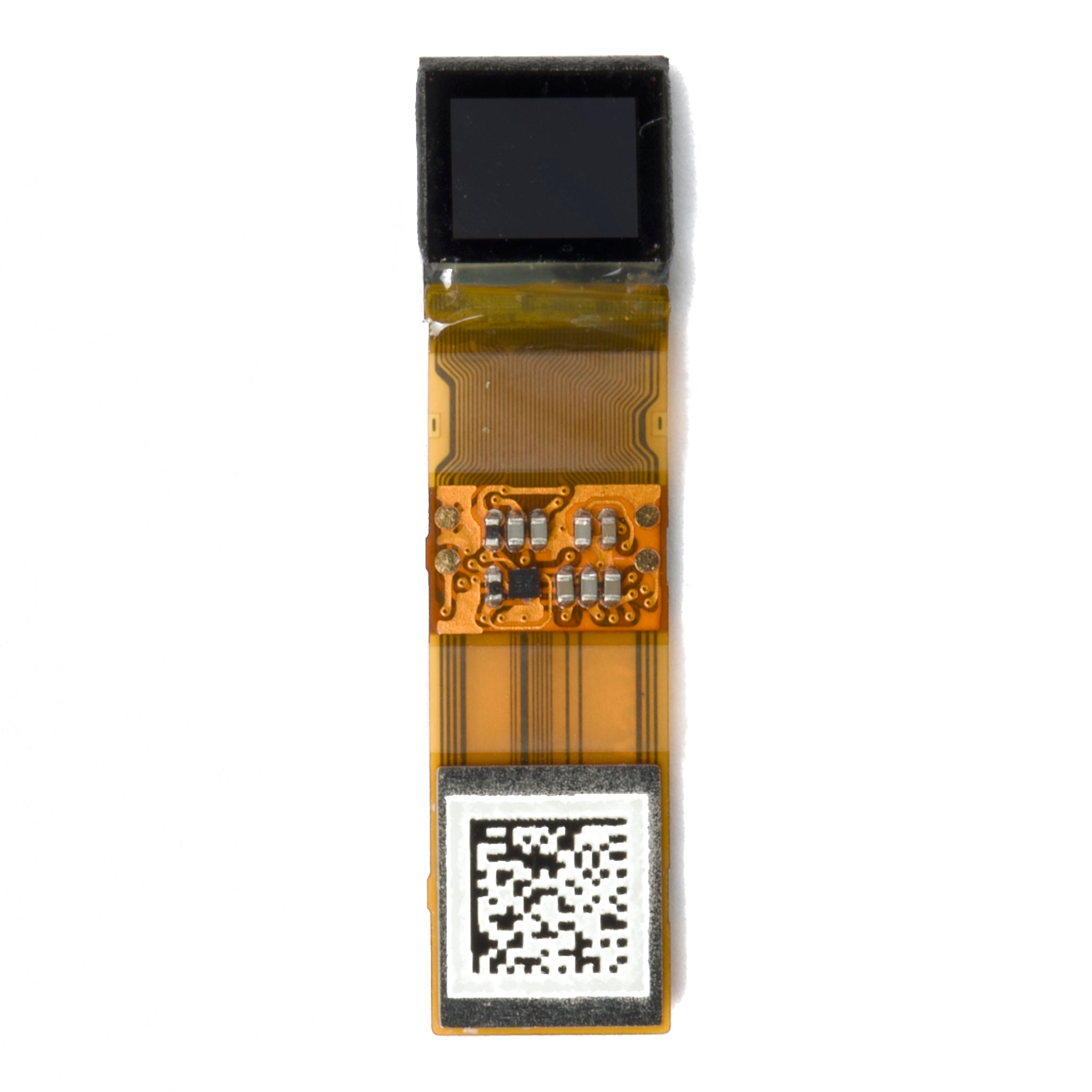
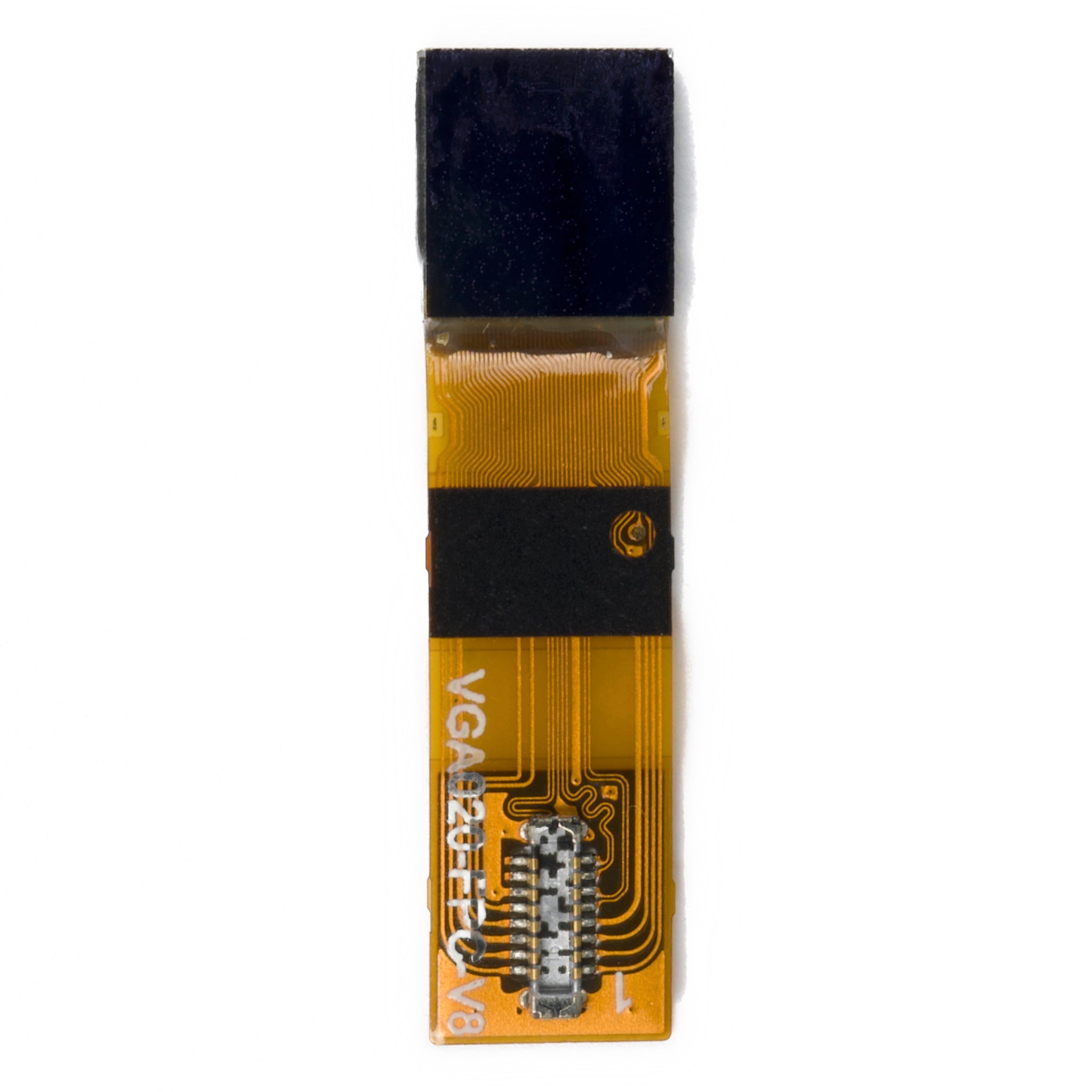
0.20” AMOLED Microdisplay 640×480 VGA – 6000-Nit MIPI Near-Eye Silicon Display for AR Smart Glasses & EVF
- 💹 Enjoy a 20% discount for orders over 500
- 📉 A 15% discount is available for orders ranging from 200 to 499
- 🎁 A 10% discount is available for orders ranging from 50 to 199
- 🎁 A 5% discount is available when ordering 10-49
Interested in customizing this product? Get in touch with us.
Order samples, immediate delivery.
Factory bulk lead time: 3 weeks.
0.20” AMOLED Microdisplay 640×480 VGA – 6000-Nit MIPI Near-Eye Silicon Display for AR Smart Glasses & EVF
- 💹 Enjoy a 20% discount for orders over 500
- 📉 A 15% discount is available for orders ranging from 200 to 499
- 🎁 A 10% discount is available for orders ranging from 50 to 199
- 🎁 A 5% discount is available when ordering 10-49
Resources & Downloads
DMGGO0020VGNA 0.20” VGA AMOLED Microdisplay
6000 cd/m² MIPI 2-Lane Near-Eye Silicon Display
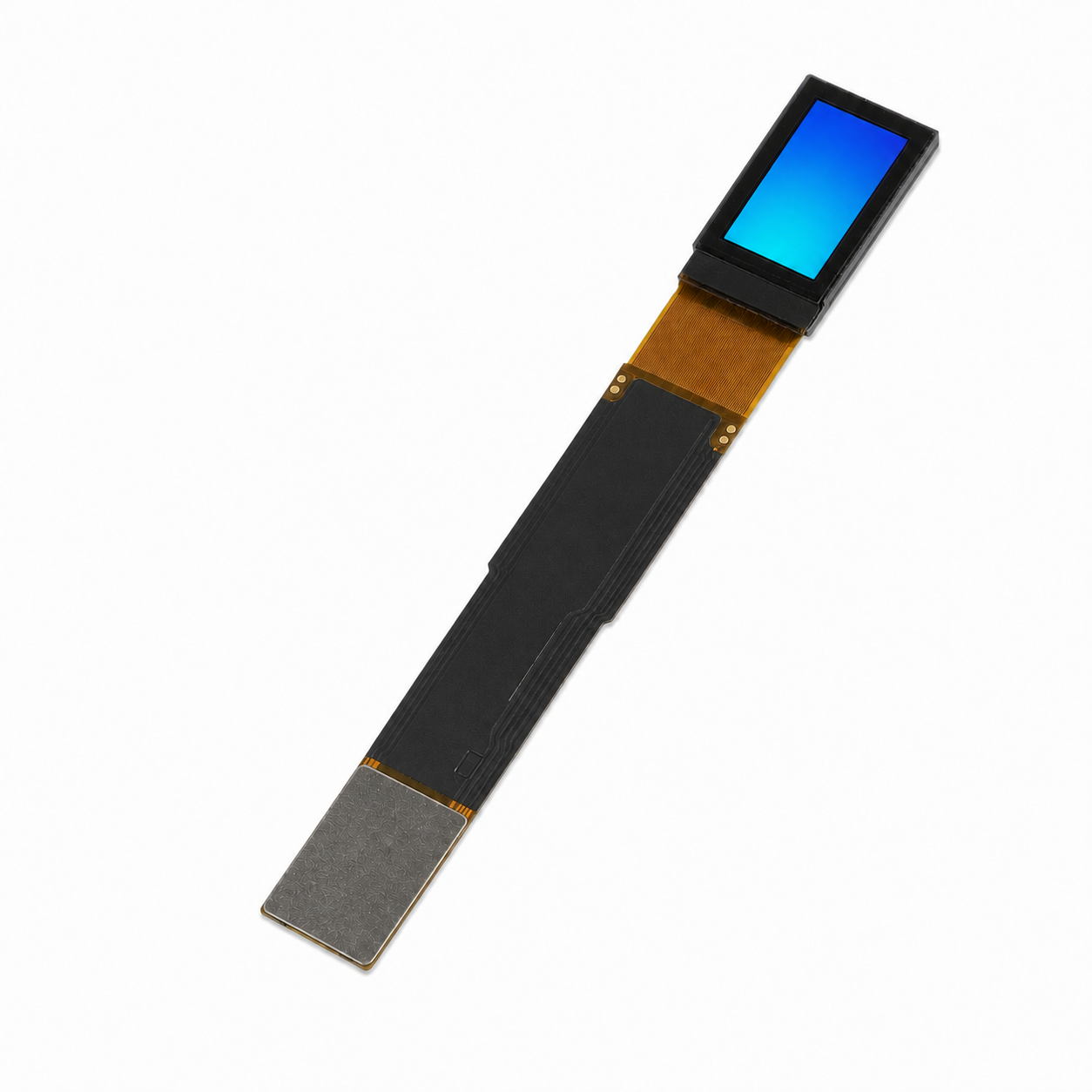
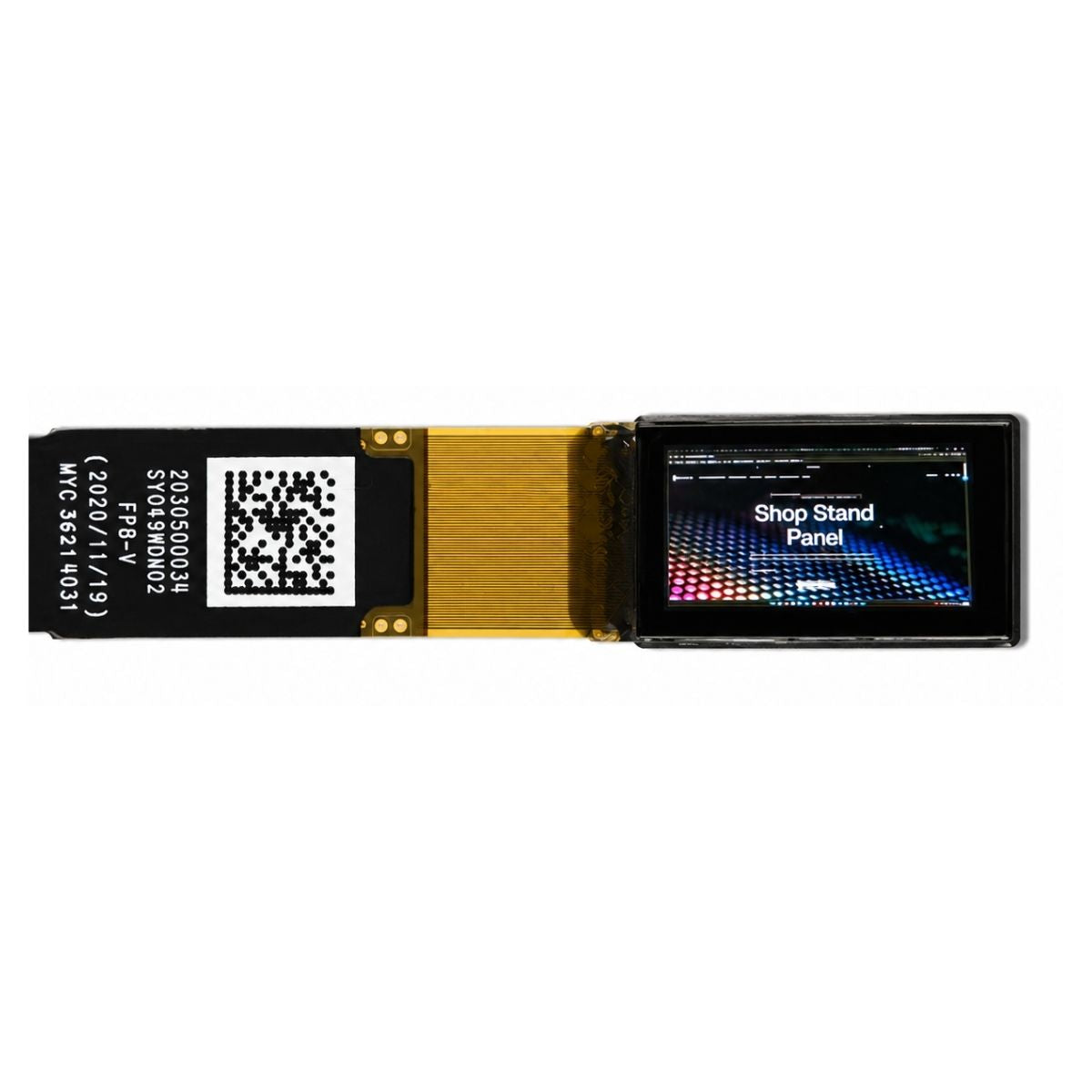
DMGGO0020VGNA is a 0.20-inch, active-matrix-driven silicon-based OLED microdisplay with 640 × 480 VGA resolution and 6000 cd/m² typical luminance. It is designed for ultra-compact near-eye display systems requiring high brightness, high contrast, and low power consumption.
A MIPI DSI 2-lane video interface with I²C control enables straightforward integration into wearable and optical designs.
Engineering Snapshot
Key datasheet parameters for quick display selection and integration review.
Verified Technical Specifications
All parameters below are sourced from the DMGGO0020VGNA datasheet and product documentation. Use these values for display selection, mechanical layout, interface review, and sample evaluation.
| Parameter | Specification |
|---|---|
| Product Model | DMGGO0020VGNA |
| Display Type | Color active-matrix-driven silicon-based OLED microdisplay (AMOLED) |
| Display Mode | Top-emitting silicon-based OLED |
| Diagonal Size | 0.20 inch |
| Resolution | 640 × 480 (VGA), 660 × 500 reserved |
| Pixel Arrangement | Hexagon |
| Pixel Pitch | 6.3 μm × 6.3 μm |
| Active Area | 4.03 × 3.02 mm |
| Gray Level | 256-level (8-bit) |
| Luminance (Typical) | 6000 cd/m² |
| Recommended Brightness | 500 to 6000 cd/m² |
| Luminance Uniformity | ≥ 90% at 6000 cd/m² |
| Contrast Ratio | > 10000:1 |
| Refresh Rate | 60 Hz |
| Video Interface | MIPI DSI 2-Lane (D-PHY v1.2, 1.0 Gbps per lane) |
| Control Interface | I²C (1.8V logic) |
| Supply Voltage | 1.8V / 5.5V / -4.5V |
| Operating Temperature | -25°C to +65°C |
| Storage Temperature | -55°C to +70°C |
| Connector | 16-pin BM23FR0.6-16DP-0.35V (0.35 mm pitch) |
| Weight | < 0.9 g |
Silicon-Based AMOLED Architecture
Three core design elements define the DMGGO0020VGNA microdisplay and its suitability for ultra-compact near-eye optical systems.
Top-Emitting Silicon-Based OLED / AMOLED Structure
The top-emitting OLED layer directs light through the display surface, supporting high luminance output within the 4.03 × 3.02 mm active area. This structure is optimized for near-eye optical engines where light efficiency and compact footprint are critical.
Integrated Drive and Control Circuits
Signal enhancement circuits, row and column drive circuits, and logic control circuits are integrated in the microdisplay. This supports high integration, stable high-contrast imagery, and low power consumption for wearable and portable near-eye designs.
Hexagon Pixel Layout
The hexagonal pixel arrangement at 6.3 μm pitch supports the 640 × 480 VGA resolution within the 0.20-inch diagonal active area. The 660 × 500 reserved pixel array provides margin for timed image movement and display position adjustment within the redundant-pixel range.
Optical Performance
The optical data below provides engineers with a reference basis for brightness planning, contrast review, and display comparison during sample evaluation.
Industry Applications
The DMGGO0020VGNA microdisplay is designed for next-generation miniature optical products where brightness, size, and reliability are critical.
AR / Smart Glasses
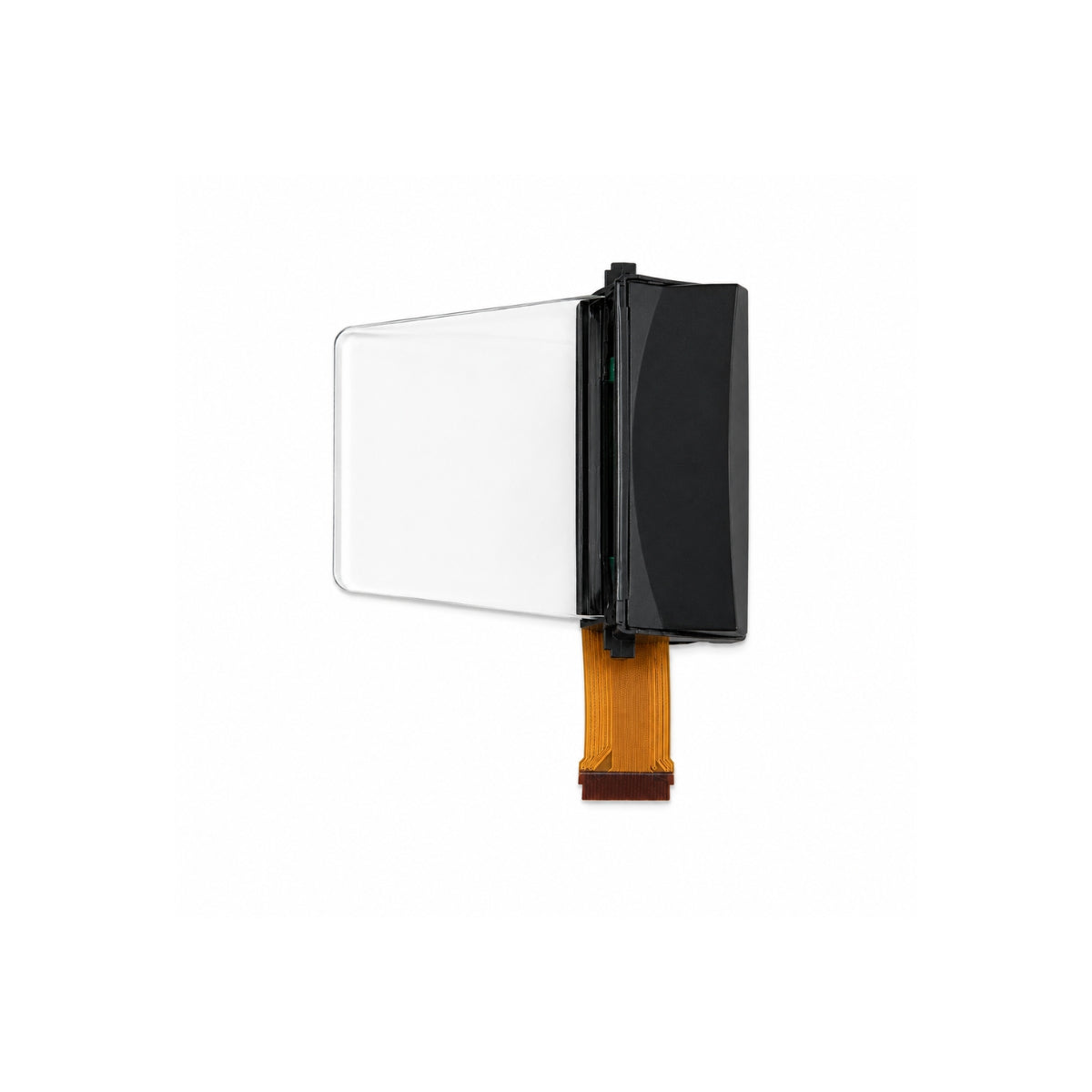
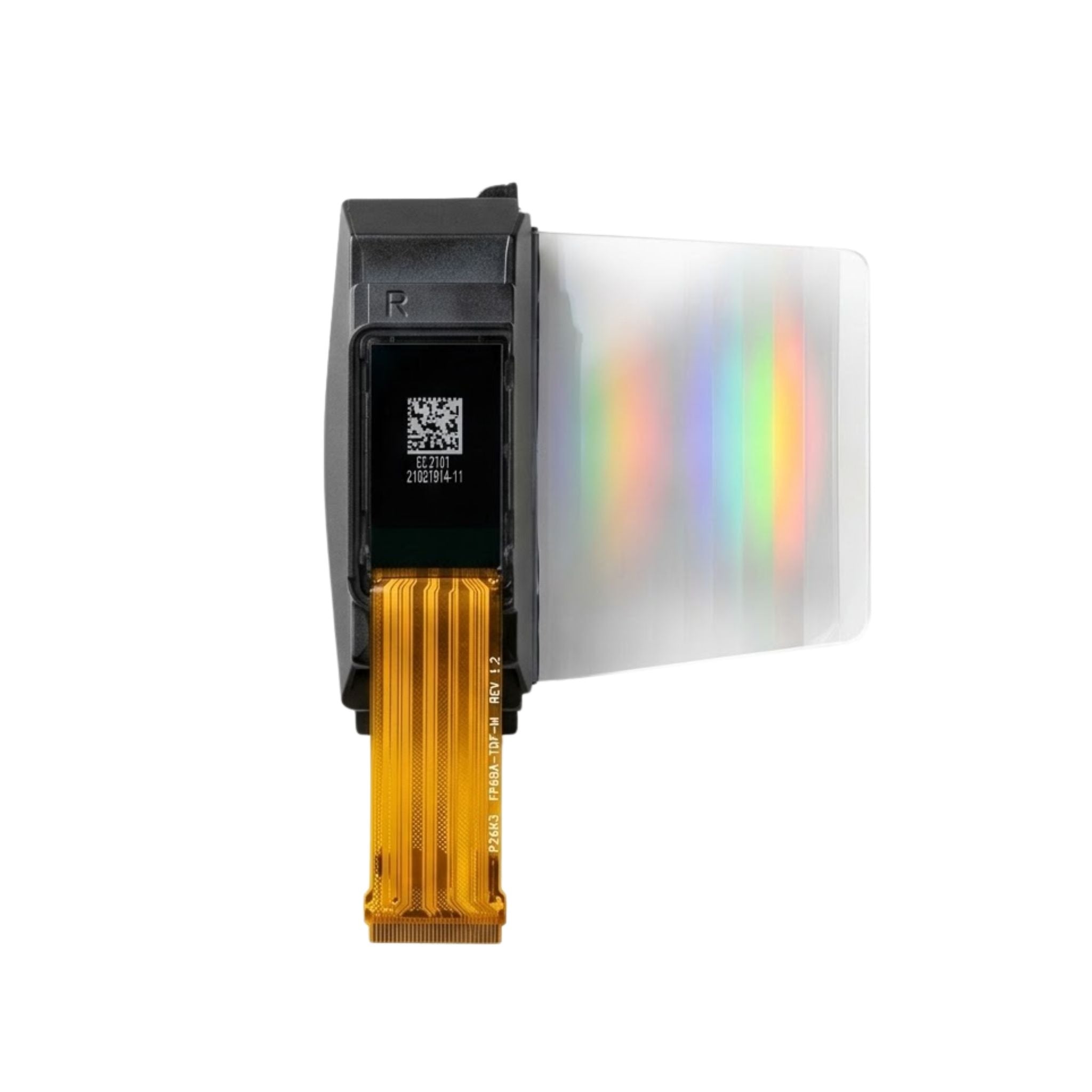
Ultra-small near-eye display for lightweight AR glasses requiring high brightness in outdoor environments.
Compact EVF / Viewfinders
Miniature EVF modules for cameras, UAV viewfinders, and portable imaging devices.
Portable Optical Instruments
Handheld scopes, inspection optics, and measurement tools needing small form factor and high contrast.
Industrial Wearables / Near-Eye Systems
Compact industrial wearables and near-eye optical systems requiring miniaturization, high resolution, low power consumption, and wide-temperature operation.
Interface and Connector Details
The module uses a single MIPI DSI 2-lane interface for video data and I²C for control and register configuration. Verify all interface parameters with the datasheet before PCB layout.
MIPI DSI 2-Lane Video
Standard: MIPI DSI with D-PHY v1.2
Lane count: 2 data lanes
Speed: Up to 1.0 Gbps per lane
Function: Video data input for display refresh at 60 Hz
Compatibility: Review MIPI timing parameters and lane mapping with your SoC or FPGA before design.
I²C Control Interface
Logic level: 1.8V
Function: Register configuration for brightness, contrast, mirror, and position settings
Initialization: Review the I²C register map and initialization sequence in the datasheet
Image control: PWM dimming, digital brightness and contrast enhancement, H/V mirror, position shift, and timed movement
Temperature sensor: Internal temperature detection can be read through register 3003H for host-side monitoring and compensation logic if required
I²C rate: 10 kHz to 400 kHz; SERADD selects slave address 0x54 or 0x55
16-Pin Connector
BM23FR0.6-16DP-0.35V with 0.35 mm pitch, designed for compact carrier board integration. The recommended mating connector is BM23FR0.6-16DS-0.35V. Confirm FPC routing before mechanical design.
Smart Image Control Features
The following display control functions are configurable via I²C registers. Review the register map and initialization sequence in the datasheet for implementation details.
PWM Dimming
Brightness tuning 500 to 6000 cd/m² for indoor and outdoor switching.
Digital Enhancement
Brightness and contrast adjustment via I²C for specific environments.
H/V Mirror
Horizontal and vertical mirror support for diverse optical paths.
Position Adjustment
Active window position shift for optical alignment within the reserved area.
Timed Movement
Timed display area movement, configurable via I²C control.
Temperature Detection
Embedded temperature detection allows the host system to monitor panel temperature and implement compensation logic if required.
Engineering Notes
The following items should be reviewed before PCB layout, sample evaluation, and product integration. Confirm all details with the datasheet and the DisplayModule engineering team.
Power Sequence
Three supply rails (1.8V, 5.5V, -4.5V) are required. Review the power-on and power-off sequence in the datasheet before PCB layout to avoid panel damage.
Connector Matching
The 16-pin BM23FR0.6-16DP-0.35V connector uses 0.35 mm pitch. The recommended mating connector is BM23FR0.6-16DS-0.35V. Confirm FPC routing before mechanical design.
MIPI Timing
The MIPI DSI 2-lane interface supports D-PHY v1.2 at 1.0 Gbps per lane. Verify MIPI timing parameters, lane mapping, and SoC or FPGA compatibility.
I²C Register Initialization
Brightness, contrast, mirror mode, and position settings are configured through I²C registers at 1.8V logic. Review the register map and initialization sequence in the datasheet.
Optical Path Design
The 0.20-inch active area measures 4.03 × 3.02 mm. Confirm eyepiece matching, projection path, and FOV requirements with the optical design before integration.
Sample and Volume
Contact DisplayModule for sample availability, lead time, MOQ, packing method, and customization scope before committing to a project timeline.
Frequently Asked Questions
What applications is the DMGGO0020VGNA designed for?
The DMGGO0020VGNA is designed for various near-eye display systems requiring miniaturization, high resolution, low power consumption, and wide-temperature operation.
What display interface does the module use?
The module uses a MIPI DSI 2-lane interface supporting D-PHY v1.2 at up to 1.0 Gbps per lane, with I²C for control and register configuration at 1.8V logic.
Can the brightness be adjusted?
Yes. The typical luminance is 6000 cd/m², adjustable from 500 to 6000 cd/m² using PWM dimming. Digital brightness and contrast enhancement are also available via I²C registers.
What power supply rails does the module require?
The module requires three supply rails: 1.8V, 5.5V, and -4.5V. Review the power-on and power-off sequence in the datasheet before PCB design.
What is the operating temperature range?
The operating temperature range is -25°C to +65°C. The storage temperature range is -55°C to +70°C. An embedded temperature detection function allows the host system to monitor panel temperature during operation.
How can I get technical support or samples?
The datasheet is available for download below. For sample availability, lead time, MOQ, I²C initialization guidance, MIPI bring-up support, and volume customization, contact the DisplayModule engineering team.
Download Official Datasheet
Download the DMGGO0020VGNA datasheet for full electrical characteristics, MIPI timing requirements, I²C register maps, power sequence, optical performance, mechanical drawings, and integration guidance.
Download Official Datasheet