Information hierarchy
The four-to-one pixel format suits long labels, values and compact trend graphics. Decide the physical text height and separation between fields from the 76.78 × 19.18 mm active area before choosing fonts or grayscale artwork.


Popular Products
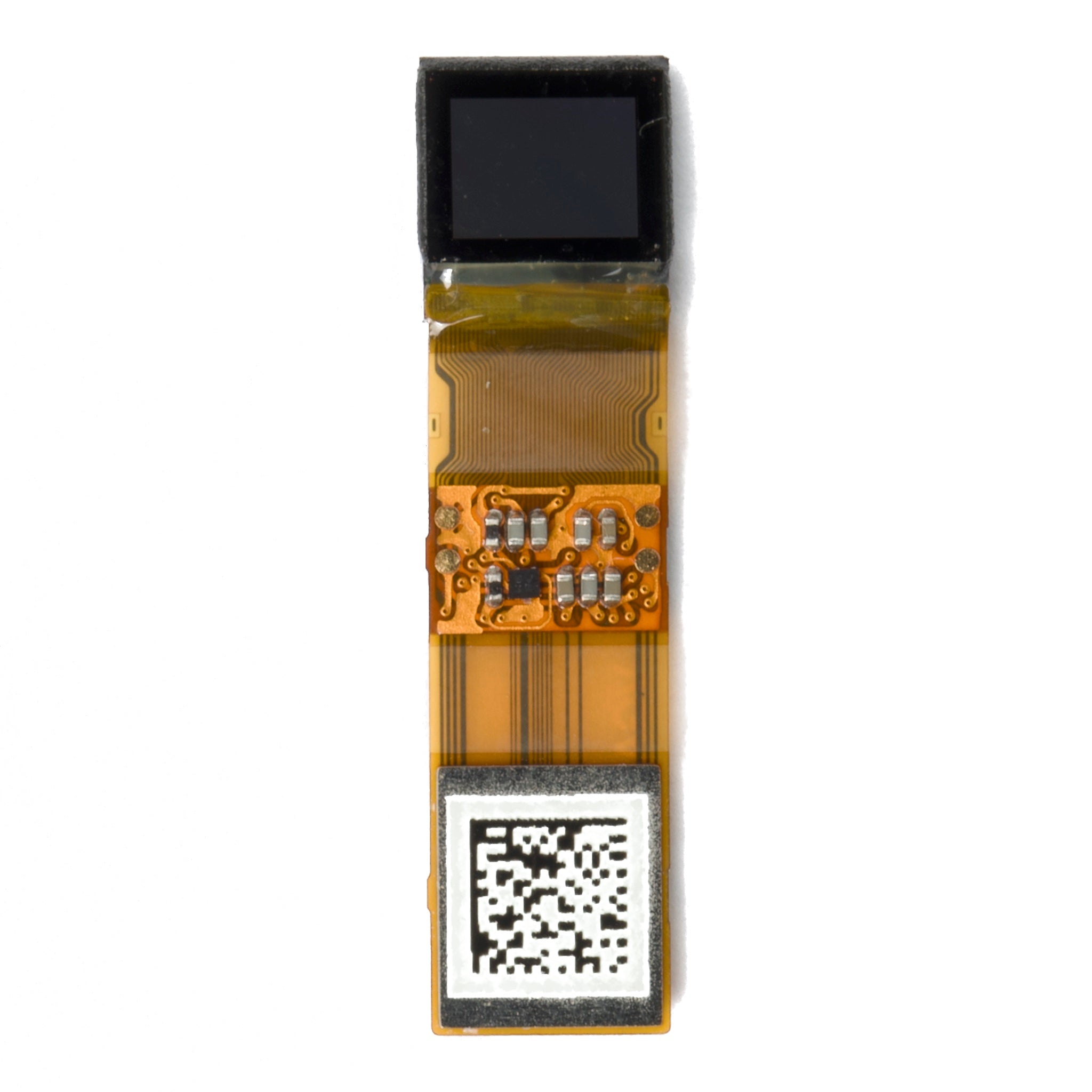
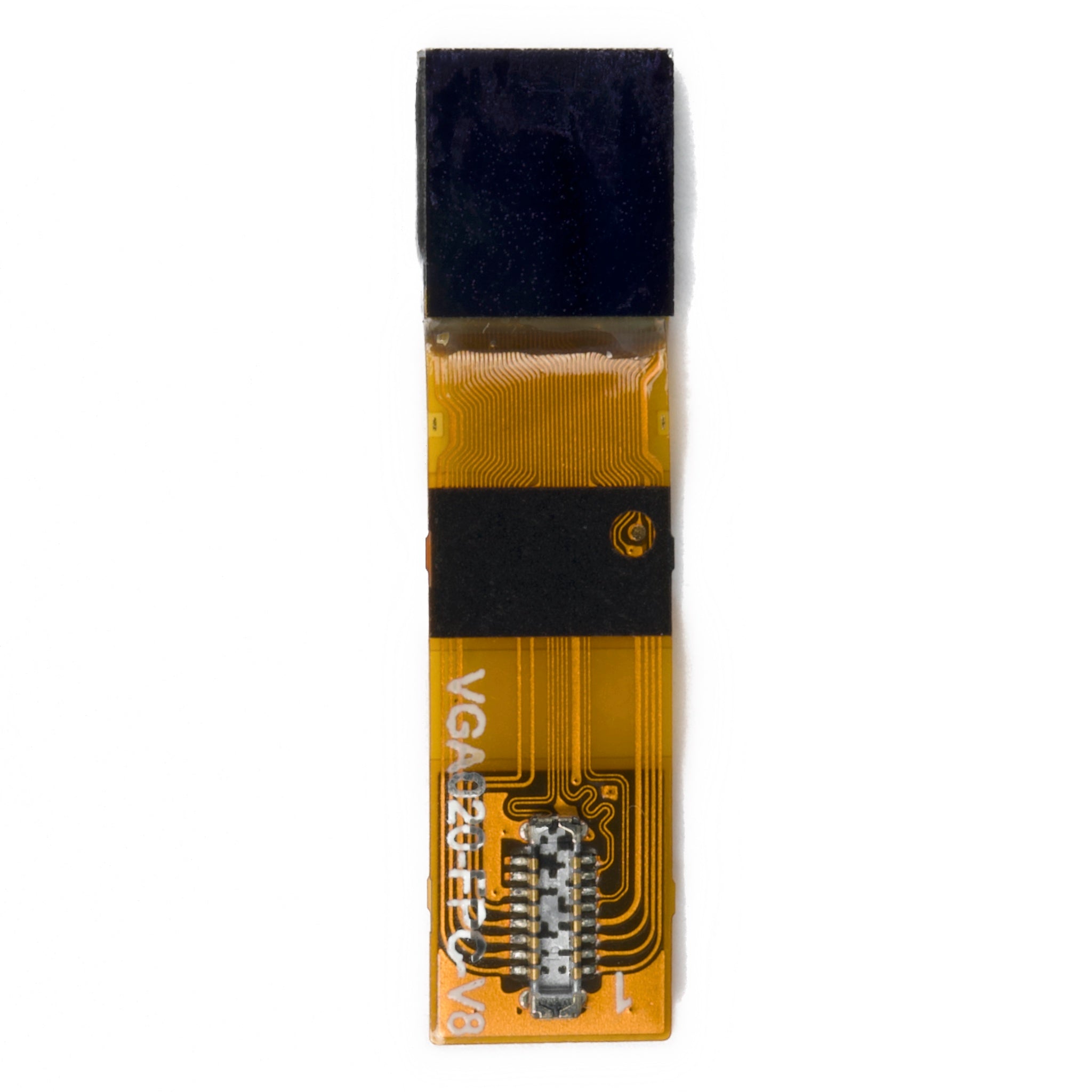
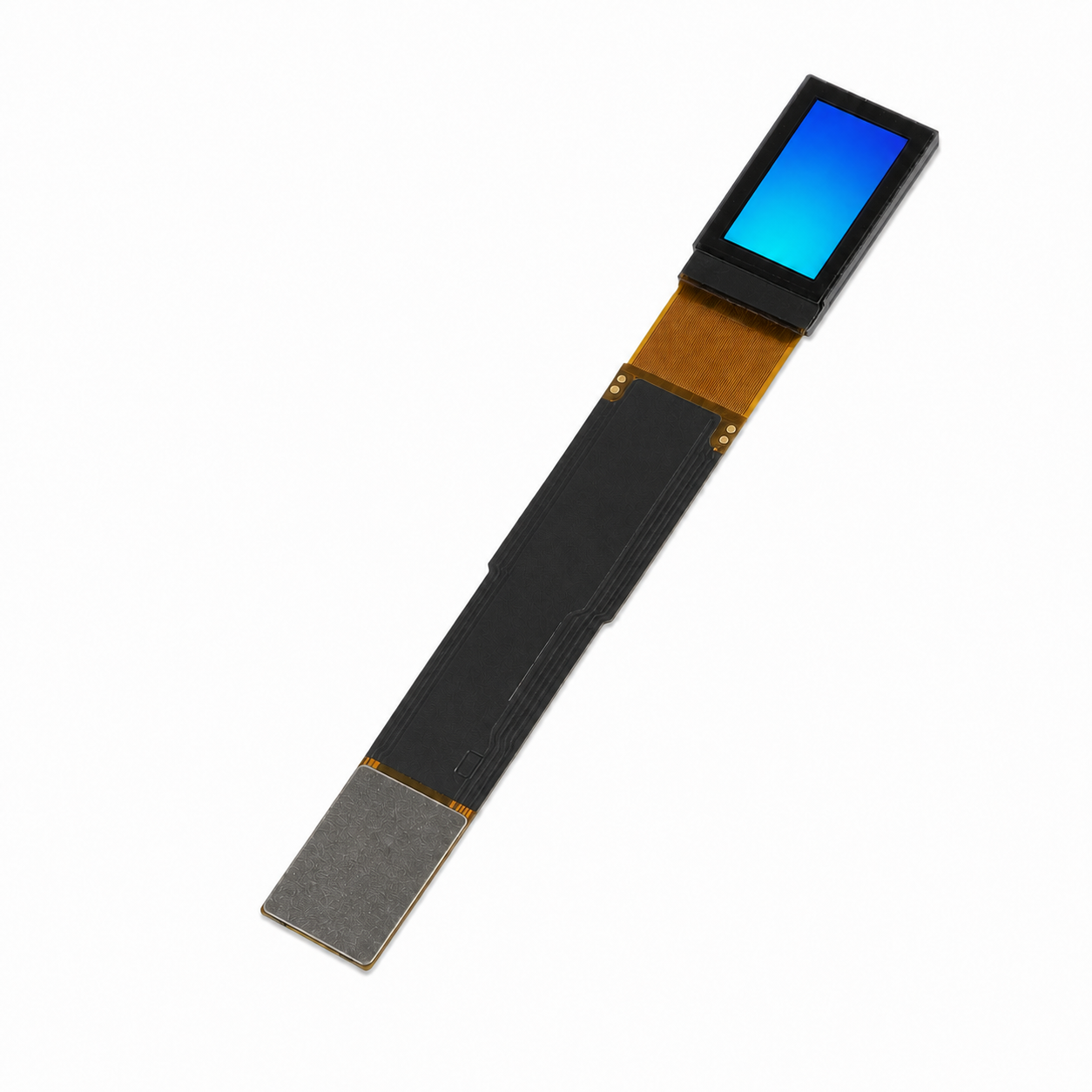
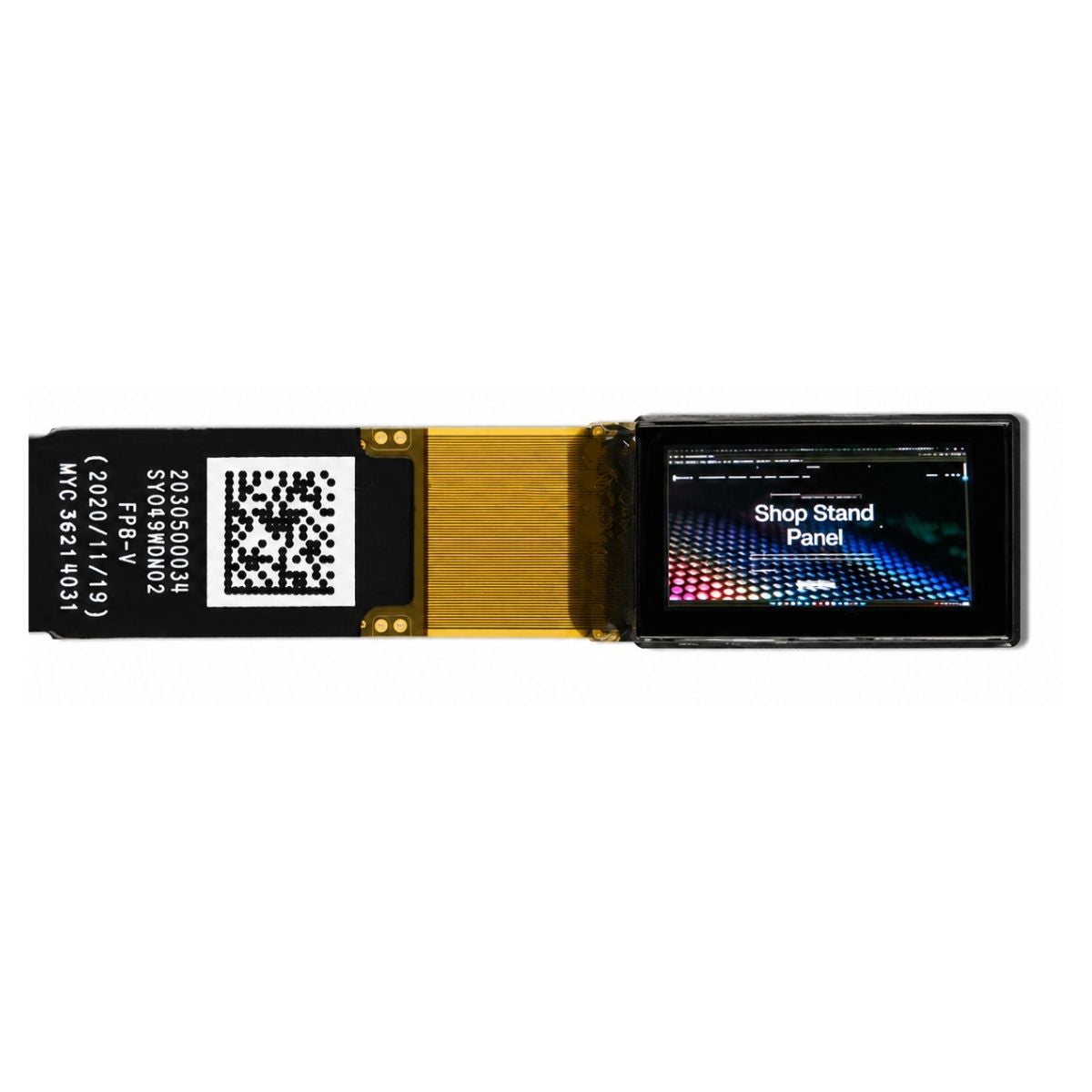
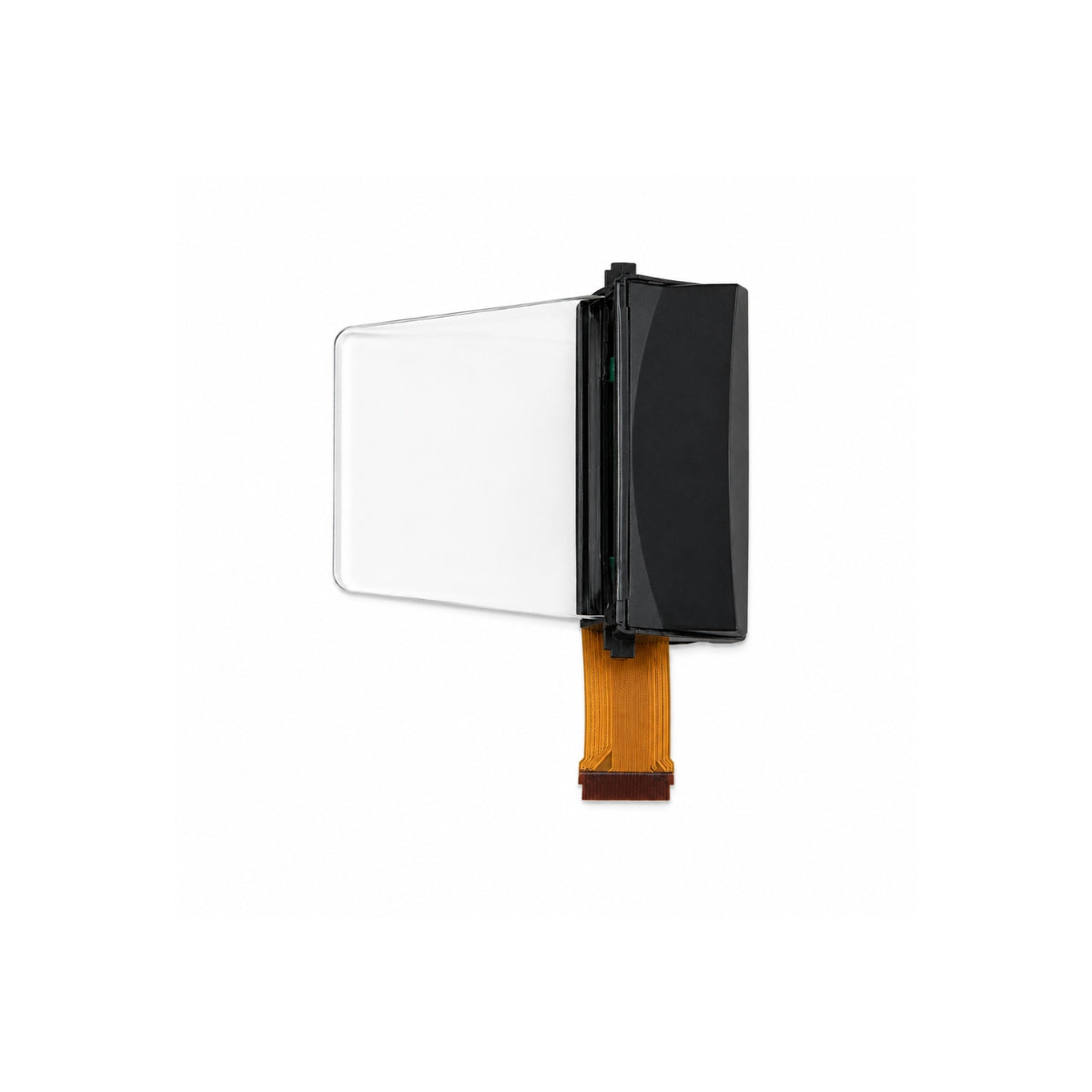
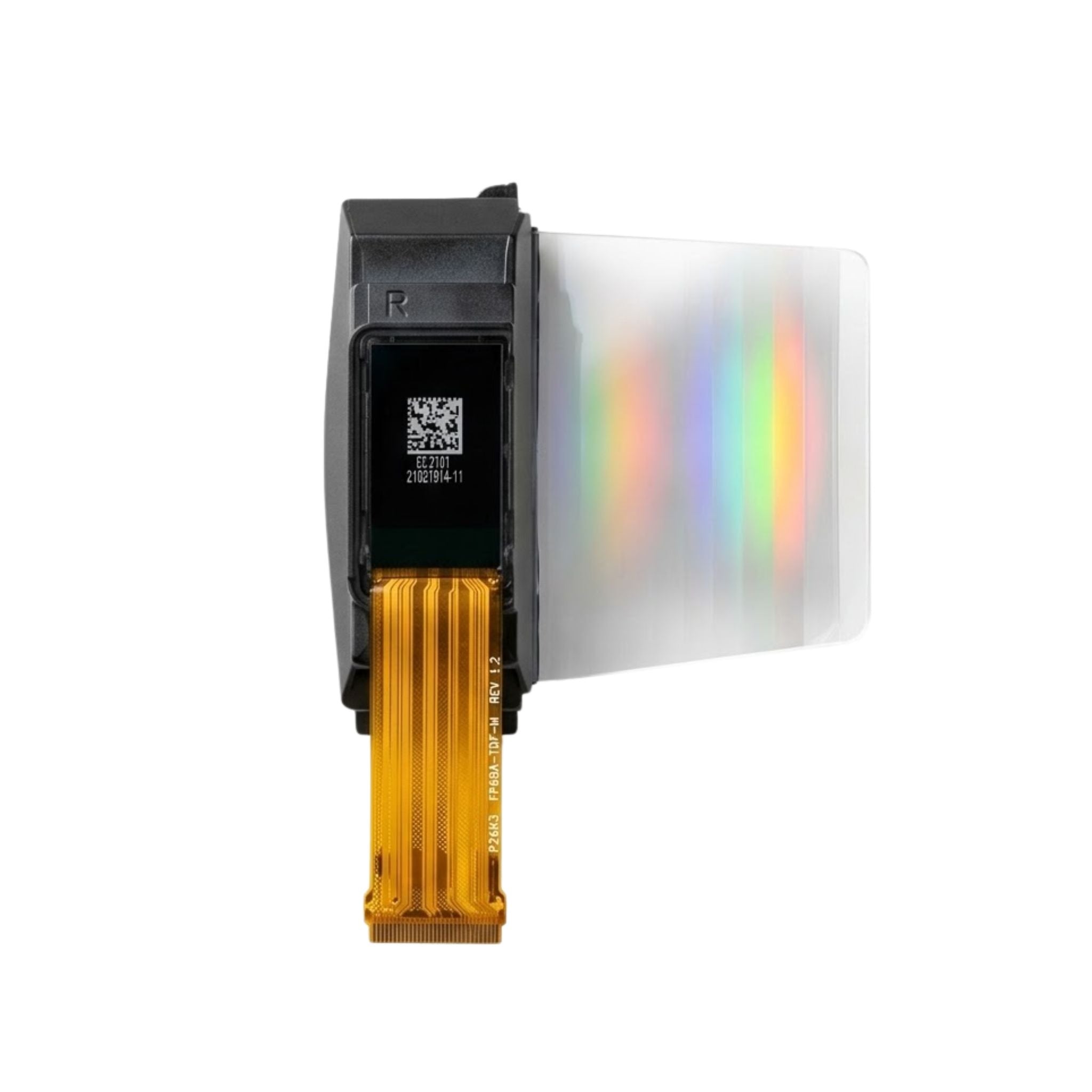


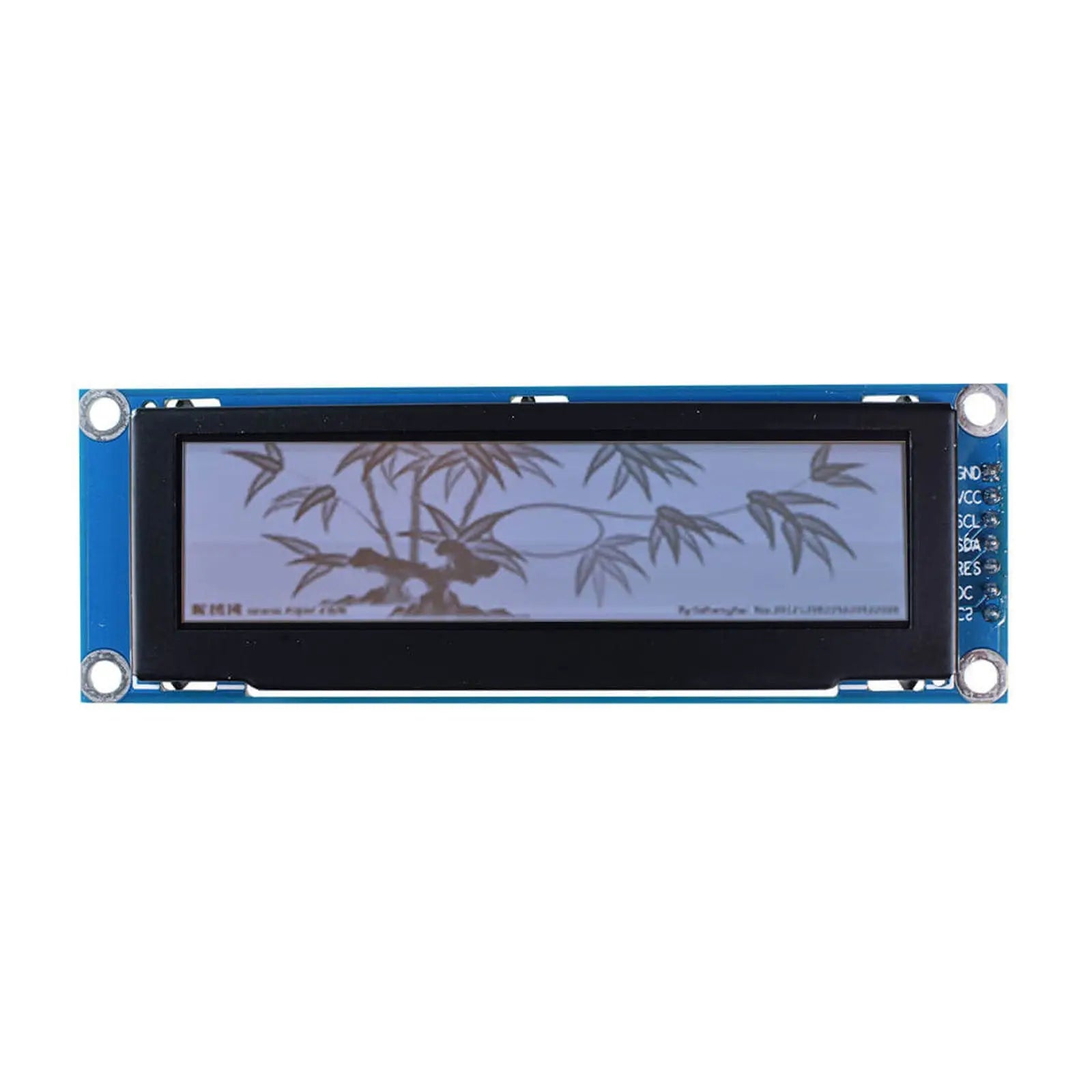
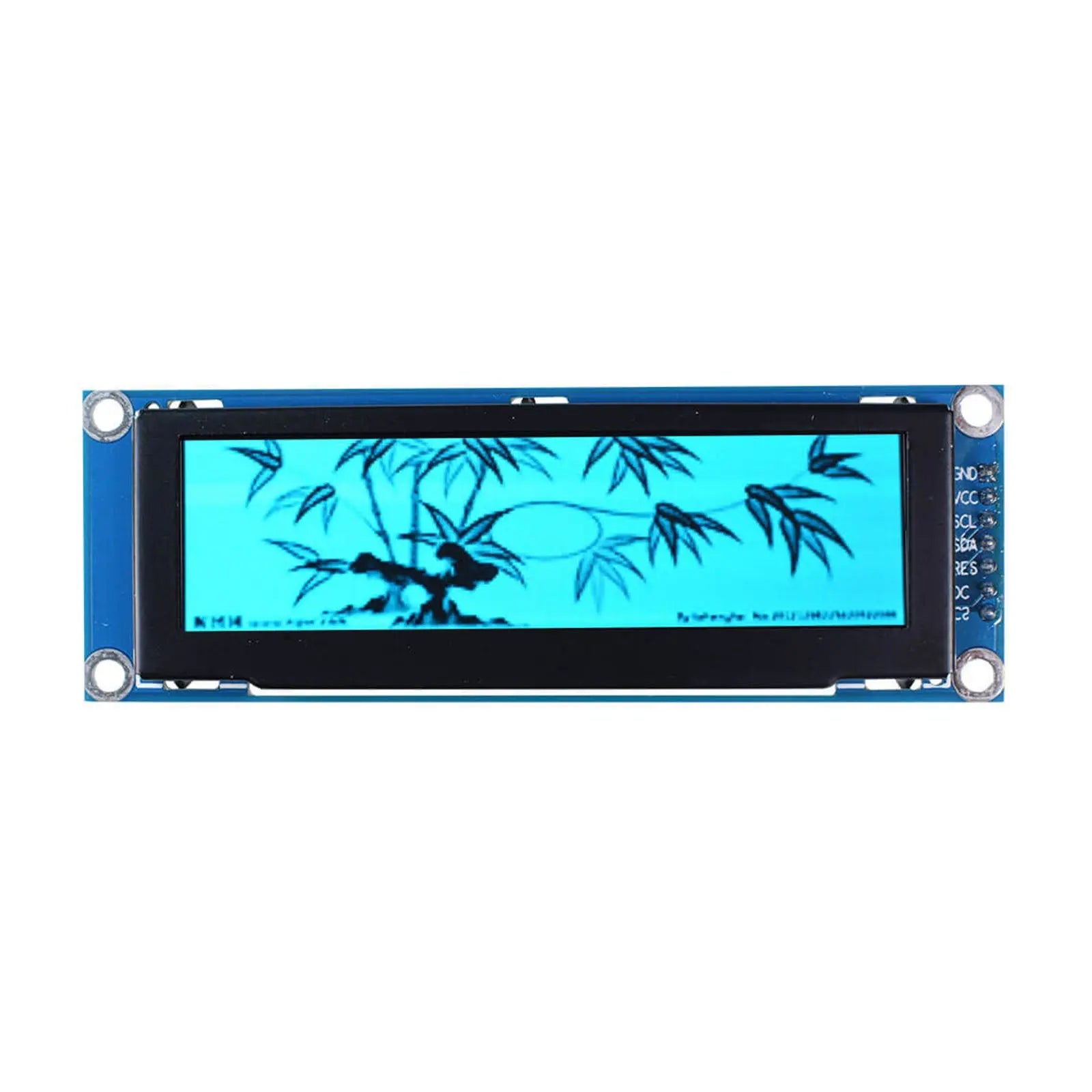
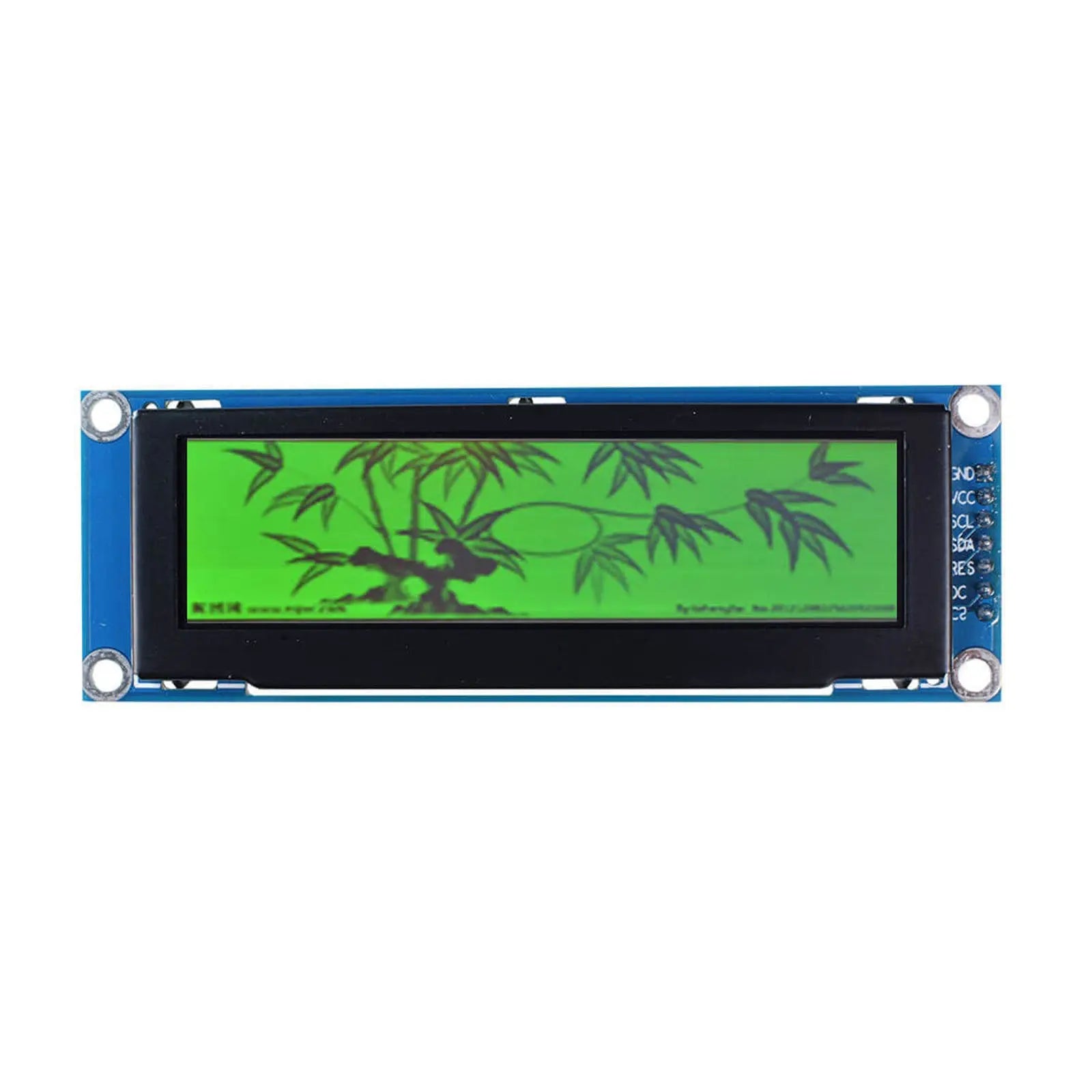
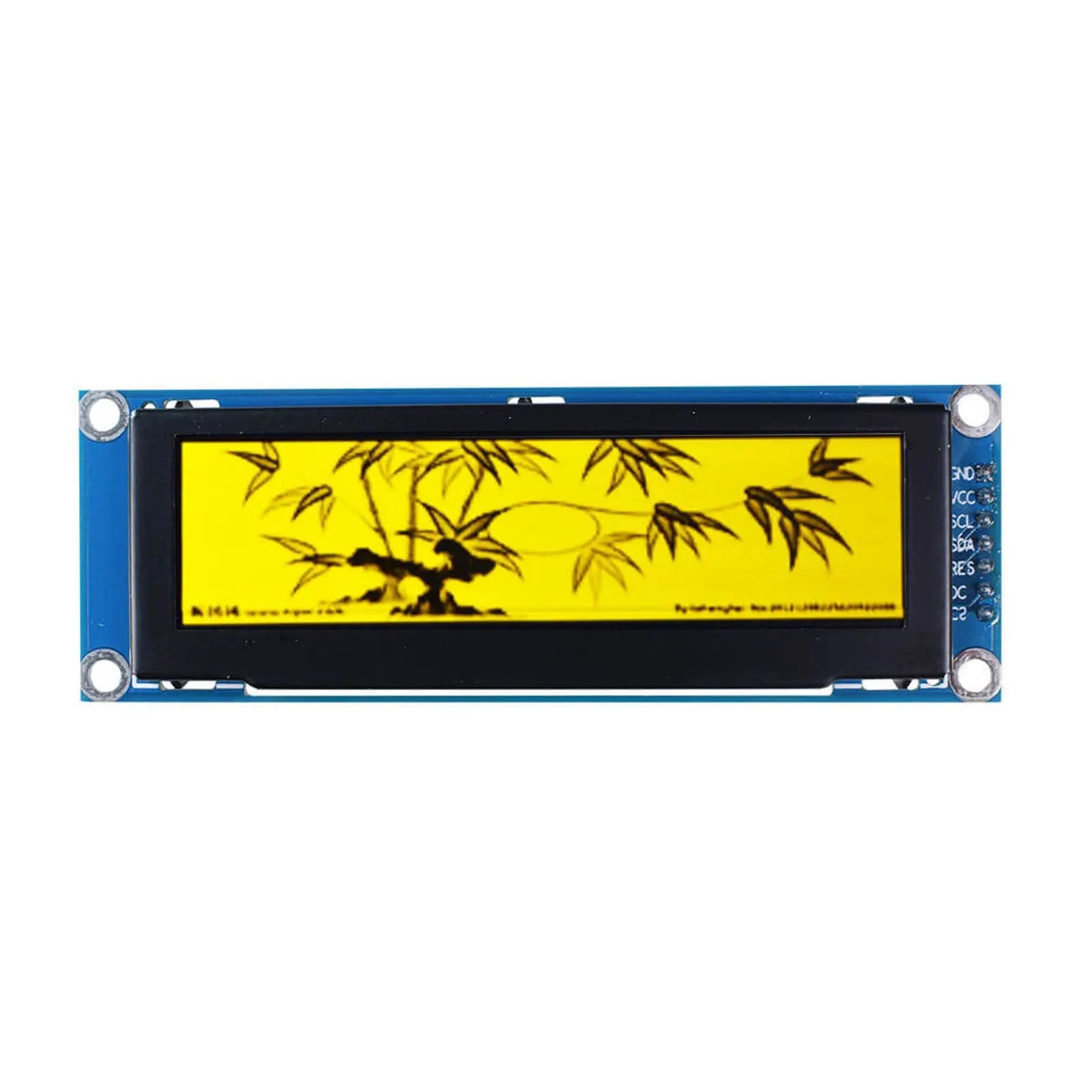
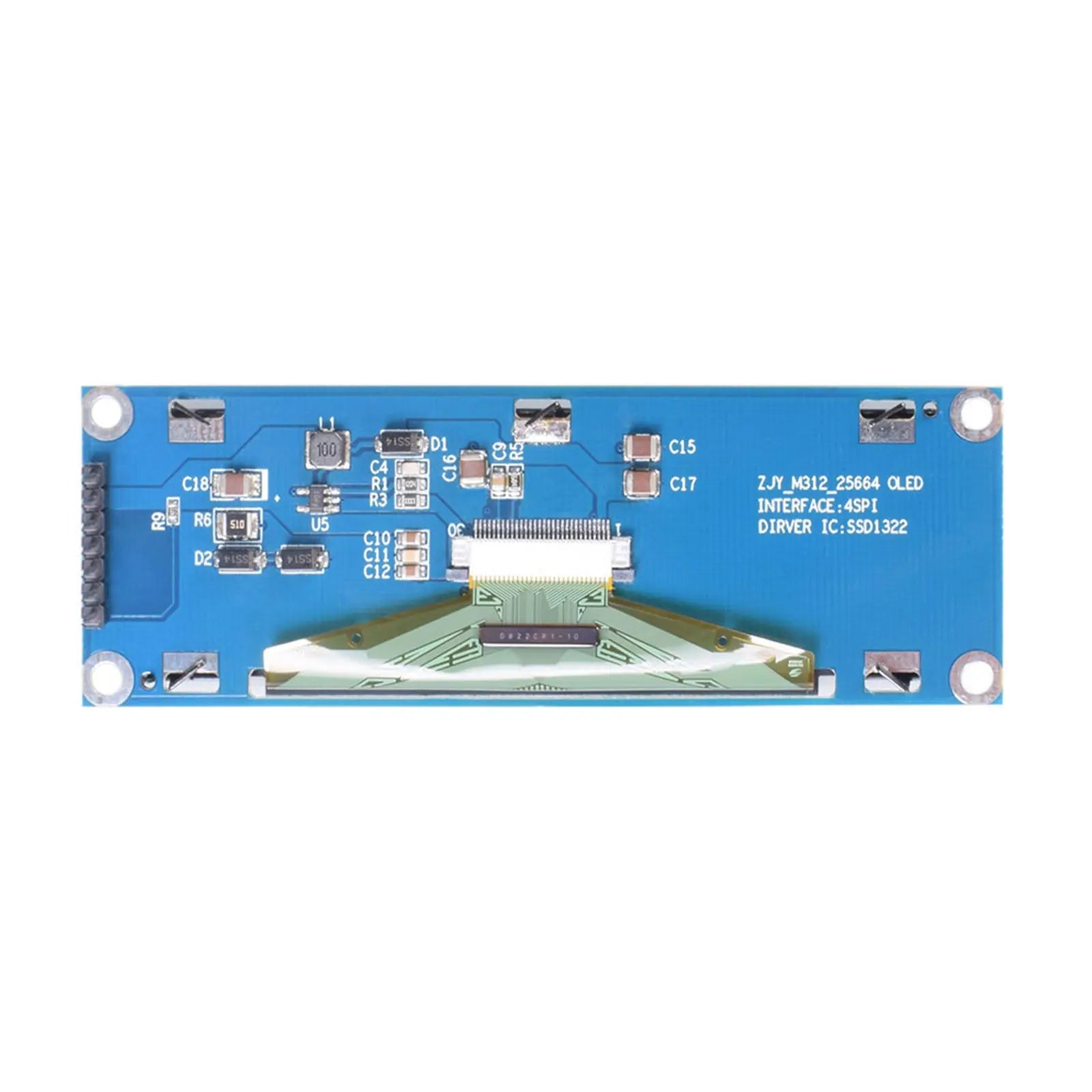
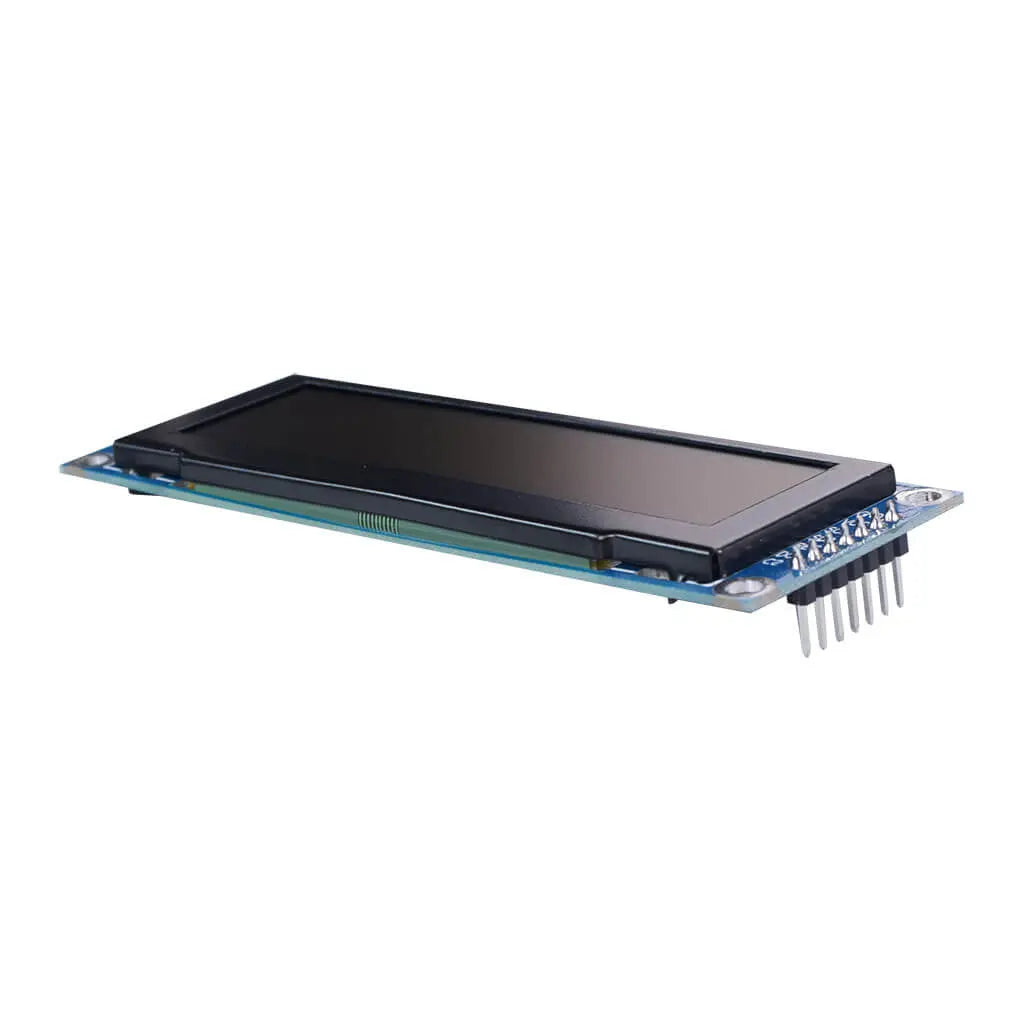
3.12" OLED Graphic Display 256x64 Monochrome - SPI
 Click to enlarge
DM-OLED312-640
DM-OLED312-640 offers a wide 256 × 64 monochrome image with 16 grayscale levels. Its SSD1322 controller and seven-pin four-wire SPI module connection support a horizontal graphics layout within a 76.78 × 19.18 mm active area.
White, blue, green and yellow are physical color options. Select the required emission color and build the interface around the actual image geometry, rather than treating the display as a software-selectable full-color screen.
The four-to-one pixel format suits long labels, values and compact trend graphics. Decide the physical text height and separation between fields from the 76.78 × 19.18 mm active area before choosing fonts or grayscale artwork.
SSD1322 must be configured for the actual 256 × 64 matrix and module remap arrangement. Use a grayscale ramp and a full-width border to verify data packing, column addressing and scan direction before application graphics.
The module labels SCL as SPI clock and SDA as SPI data. D/C identifies commands or display data, while CS is active low. Keep the bus configuration and control assignments aligned with the seven-pin module table.
RES provides display reset. If sharing the SPI bus with another peripheral, give each peripheral its own selection control and keep inactive devices deselected. Initialize the display and verify a first image before adding other bus traffic.
| Parameter | Specification |
|---|---|
| Product model | DM-OLED312-640 |
| Display | Passive-matrix monochrome OLED |
| Module connection | Four-wire SPI; seven-pin header |
| Active area | 76.78 × 19.18 mm |
| Module outline | 102.00 × 35.00 mm |
| Board VCC reference | 3.3 V at module header |
| Electrical-table supply | 2.6 V minimum / 3.3 V typical / 3.5 V maximum |
| OLED VPP | 11.5–12.5 V; 12 V typical |
| Optical reference | 60 cd/m² minimum / 80 cd/m² typical |
| Operating / storage limits | −30 to +85°C / −40 to +90°C |
The module header identifies 3.3 V input, while VPP describes a separate approximately 12 V OLED drive rail. Do not apply the panel-drive voltage to the board header. Use the module circuit for the actual rail implementation.
The specified operating range is −30 to +85°C; storage limits are −40 to +90°C. These are separate limits. Review the surrounding electronics and cover as part of the finished assembly rather than treating the OLED range as a system qualification.
Use the module drawing for mounting positions, header access and the long board envelope. Center the viewing window on the active rectangle and leave enough clearance for the glass, flex connection and board components.
Review the selected assembly’s full outline, connector positions and tolerances before releasing the enclosure. Include the host connection and component clearances in the mechanical review.
The listed colors are separate monochrome options. Each unit displays its selected emission color with 16 grayscale levels.
No. The active image is 76.78 × 19.18 mm and the module outline is 102.00 × 35.00 mm.
The module specifies four-wire SPI. SCL and SDA are clock and serial data in that configuration.
Operating limits are −30 to +85°C. The −40 to +90°C values are storage limits.
VPP is the separate 11.5–12.5 V OLED drive reference. The module header identifies 3.3 V input.
The original resources include the archived U8glib project. Treat it as a library reference and verify a supported SSD1322 configuration for this matrix and bus.
DisplayModule provides documentation and engineering assistance for display integration. When discussing DM-OLED312-640, include the selected variant, host interface, supply circuit and enclosure requirements.
Use technical support for connection or documentation questions. Include the model, circuit details and the behavior you observe so the relevant hardware and software paths can be reviewed.
For sample planning, volume requirements or proposed modifications, request a quote with the required quantity and assembly. Confirm the model-specific schedule and customization feasibility with the team.
Use the DM-OLED312-640 module datasheet for dimensions, connection details and product-specific electrical and optical limits. The related resources below support controller configuration and integration.